
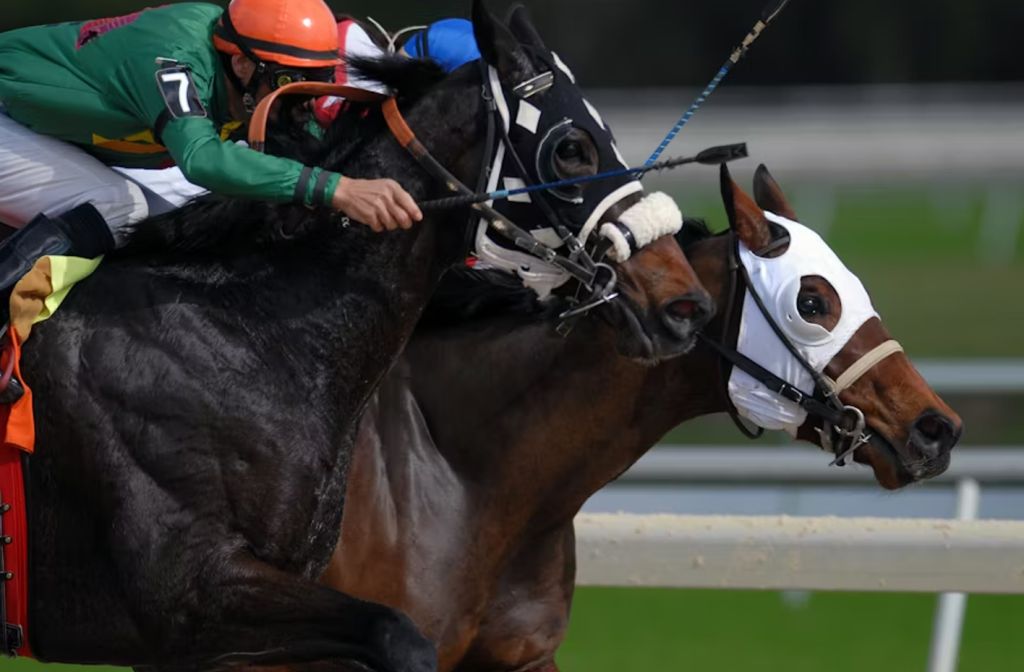
The first time you watch a horse race with a betting slip in hand, the sport suddenly feels alive. Every stride matters. Every decision leading up to the race feels sharper. Horse racing has a way of pulling newcomers in with its mix of tradition, athleticism, and strategy.
Many beginners assume the learning curve will be steep, yet the fundamentals are far more approachable than they appear. Once the core ideas click, how odds work, what the main bet types are, and how to read a horse, the whole experience becomes far more enjoyable and intuitive.
Understanding Odds and What They Tell You
Odds are the first gateway to understanding how horse racing works. They communicate the general expectations around a horse’s performance, and they help you compare different outcomes.
Fractional odds, like 5-1, show how much you stand to return based on your stake. Higher numbers indicate a less expected outcome, yet they offer a larger potential return. Odds-on prices, such as 4-5, reflect a horse widely expected to perform well; these prices return a smaller profit relative to the amount wagered. Even-money odds are as straightforward as it gets: a 1-1 price means your return matches your stake.
New punters often learn quickly that odds aren’t predictions, but signals shaped by the betting public. They shift as bettors place wagers, which means learning to read odds is more about understanding the overall picture rather than expecting certainty.
A few quick reminders:
● Odds express expectations, not guarantees,
● Shorter odds indicate higher confidence among bettors,
● Longer odds reflect a less anticipated outcome.
Reading odds with this context in mind gives new punters a clearer foundation for understanding how each race is expected to unfold.
Language Every New Punter Should Know
Learning a few key racing terms helps you feel more comfortable the moment you open a race card. Once these terms feel familiar, the entire experience becomes far less intimidating.
Pari-mutuel betting is the system in which all bets are pooled, and payouts are based on total wagers. The morning line reflects the track handicapper’s opening prediction of how the public might bet. Post time is the scheduled moment the race begins, and betting closes at that exact second.
When a horse is scratched, it has been withdrawn before the race, usually due to a training or health concern. A horse that finishes in the top three is considered on the board. Favorites carry the lowest odds, while longshots go off at higher prices.
Beginner-Friendly Bet Types That Build Confidence
New punters often get the best start by sticking with straightforward bet types. Win, Place, and Show bets introduce you to the flow of betting without overwhelming you.
A Win bet is exactly what it sounds like: your horse must finish first. Place bets offer a bit more flexibility by paying out if your horse finishes in the top two. Show bets pay when your selection finishes in the top three and are often the most accessible starting point for new bettors.
Once you find your footing, Across the Board wagers offer a combination of Win, Place, and Show on a single horse. Many beginners enjoy this option because it covers multiple outcomes. Exacta Box wagers allow you to select two horses to finish first and second in any order, creating another simple but engaging next step.
Many new punters learn these fundamentals with help from approachable guides. Resources like FanDuel betting tips offer explanations that reinforce the basics and help you build familiarity with the sport’s most common wager types.
Evaluating Horses Without Overthinking It
Looking at a race program can feel overwhelming at first, yet beginners don’t need to analyze every detail. A few simple habits go a long way.
Recent form is often the best starting point. Horses that have performed steadily in their last few races tend to bring a reliable level of fitness and focus. Reviewing similar race conditions, such as distance or surface, gives you clues about whether today’s race suits the horse.
Trainer and jockey combinations are another helpful guide. Successful partnerships often signal strong preparation, communication, and strategy.
Track conditions matter as well. Some horses perform better on turf than dirt, or vice versa, and a quick look at past performances often reveals this pattern.
If you’re watching the horses in the paddock before the race, look for calm but alert behavior. Horses that appear composed and focused often carry that energy onto the track.
Beginners who enjoy diving deeper into form, statistics, or race previews often turn to FanDuel Research for accessible, data-driven breakdowns that make horse evaluation more intuitive.
Money Management Tips for an Enjoyable Experience
Money management plays a major role in keeping the experience enjoyable. Setting a clear budget helps you approach race day with a relaxed mindset and prevents your fun from becoming stressful. Wagering smaller amounts at the start lets you get familiar with how races unfold without stretching your comfort zone.
It’s common for beginners to want to bet every race on the card. Focusing on select races instead gives you time to study the field and learn what matters most to you. Many punters discover that patience brings a more enjoyable rhythm to race day.
Favorites often draw plenty of attention, yet they don’t win every race. Sometimes, a horse with slightly longer odds offers a more interesting opportunity worth exploring. Review the field, take your time, and trust your developing instincts.
A few reminders:
● Set a spending limit before you start,
● Choose a handful of races you genuinely want to follow,
● Track your wagers to understand your preferences over time.
Good money habits give new punters the space to learn, enjoy the action, and build their confidence one race at a time.
Growing Into the Sport With Curiosity and Confidence
Horse racing rewards the curious. Every race offers a new puzzle to interpret, a new storyline, and a new chance to learn something about how the sport works. With the basics in hand, odds, bet types, horse evaluation, and steady money habits, you’ll find yourself recognizing patterns and developing a style that feels natural.
The thrill of the stretch run becomes even more exciting when you understand the decisions behind your selections. Whether you’re attending a local track, watching from home, or exploring races around the world, horse racing has a remarkable way of turning beginners into lifelong fans.